Developing a product that is both functional and delightful to use requires a well-defined methodology. The UI/UX design process combines creativity, research, and testing to create experiences that users enjoy. From early research to final testing, each step in the UI/UX process has a specific aim, and when done well, produces results that customers find valuable and easy to interact with.
In this blog post, we are going to discuss every step of the UI/UX design process, going in detail about how designers work with ideas from concept to reality. This guide is helpful for anyone looking to understand the work behind creating seamless and intuitive user interfaces.
What is UI/UX Design?
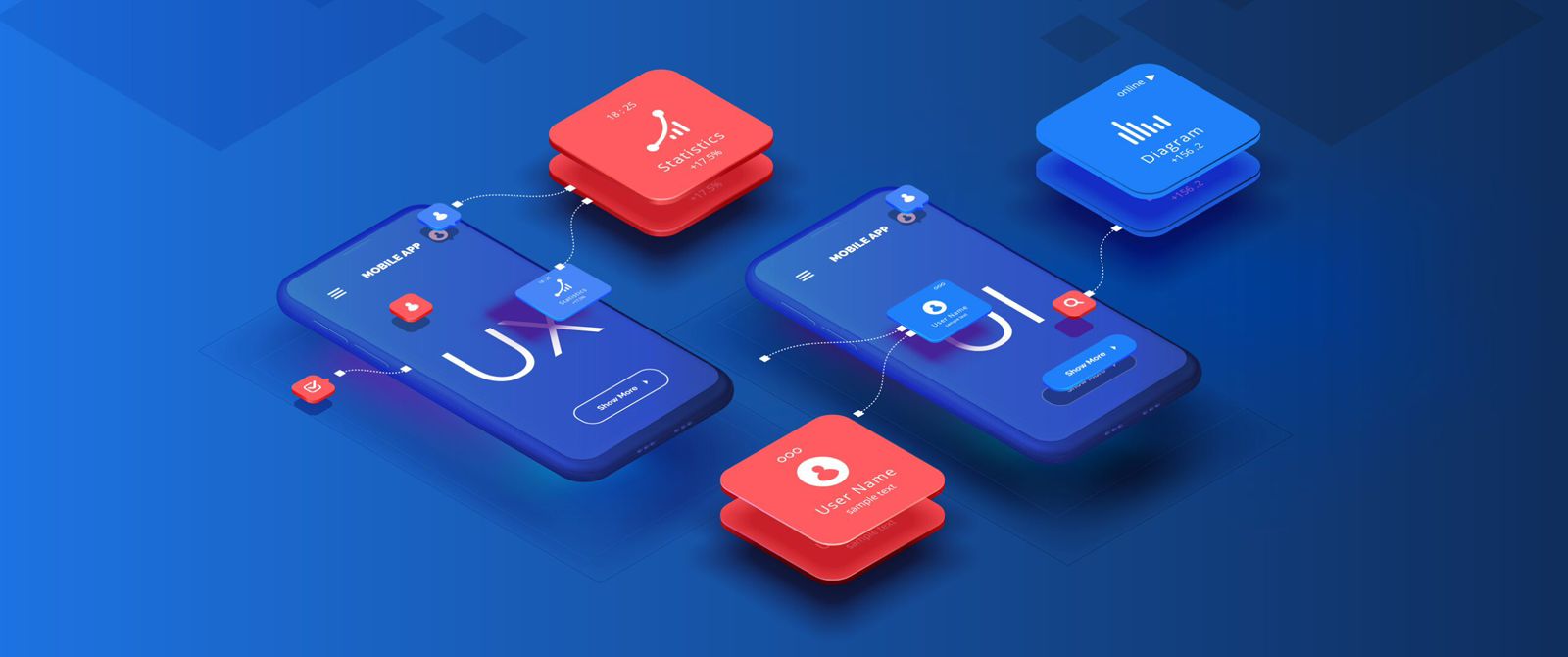
UI design is concerned with the appearance and feel of the product, while UX design is concerned with how it works and feels. UI is about the visuals like color schemes, typography, and layouts, whereas UX is more about functionality, structure, and user journey inside the product. Together, both of them aim to create products that are not only beautiful but also practical and enjoyable to use.

Why a Defined UI/UX Process is Essential
An established UI/UX process allows teams to create consistent, user-centered products. By following a clear sequence of steps, designers can make informed decisions at each stage, ensuring they effectively address user needs. This process enables effective collaboration in iterative improvement to successfully produce a product that's good and useful.
The UI/UX Design Process Step-by-Step
Here’s an overview of each stage in the UI/UX design process, from initial research to final testing:
1. Research and Discovery - Understanding the User and the Market
The heart of the UI/UX process is research, which focuses on understanding the needs, preferences, and pain points of the users. It involves gathering insights about the target audience, competitors, and defining goals of the product.
Key activities in the research phase -
- User Research: Interviews, surveys, and observational studies help to uncover user needs and behaviors.
- Market Research: Analysis of industry trends and competitors will explain what works and where there is a vacuum for innovation.
- User Personas: Creating user personas to represent different types of users and guide design decisions based on real data.
Research allows designers to make informed decisions that ensure the product will meet actual user needs rather than assumptions.
2. Define - Setting Goals and Requirements
It involves synthesizing research findings into clear objectives and requirements. This is the step where designers identify what is most relevant and define the primary problem the product needs to solve.
Key outputs in this stage include -
- Problem Statement: A simple or concise statement of a critical problem the user is facing for which he needs the product.
- User Stories: Short descriptions of how a user will be interacting with the product, which reveals a designer's understanding of goals and workflows of the user.
- Feature List: Ranked, core list of the set of features to keep the design effort focused on solving the most important user needs.
The define phase ensures that everyone on the team is aligned on the goals, audience, and functionality of the product.

3. Ideate - Generating Ideas and Solutions
In the ideation phase, designers will formulate solutions from the basis of the problem statement coupled with their understanding of user needs as deduced from the previous phases. This is the stage where creativity meets strategy as designers propose a range of approaches to get to the root of the problem.
Common ideation methods -
- Brainstorming: It is an act where ideas are generated without censorship in large quantities.
- Mind Mapping: Envisioning connections between ideas and developing concepts.
- Sketching: Rough sketches or low-fidelity wireframes to be able to capture multiple layout ideas.
Ideation is a collaborative and creative stage where designers, developers, and stakeholders can contribute ideas, ensuring a broad range of potential solutions.
4. Wireframing and Prototyping - Visualizing the Design
Some very crucial steps of concept development include wireframing and prototyping. Wireframing is essentially a set of skeletal, preliminary layouts, showing interface structure and flow, while an important focus is on functionality instead of form.
Types of wireframes and prototypes -
- Low-Fidelity Wireframes: Very simple, black-and-white layouts showing how elements should fit together and key interactions.
- High-Fidelity Wireframes: Prototypes that closely resemble the appearance and feel of the final product, so that one may play back functionality in interactive scenarios.
- Clickable Prototypes: Interactive wireframes where a user can click and move around and somehow mimic the final product's user journey.
Wireframes and prototypes help designers test and refine the user flow, ensuring that interactions are intuitive and meet user expectations.
5. Design - Crafting the User Interface
Once the prototype is validated, designers start working on the user interface. This phase is where the product’s visual style, branding, and aesthetics come to life. UI designers select color schemes, typography, icons, and other visual elements that align with the brand’s identity.
Key components of the UI design phase -
- Color and Typography: Selecting colors and fonts that enhance readability and create a cohesive look.
- Icons and Imagery: Adding visual elements that aid user understanding and create visual interest.
- Design System: Building a consistent visual language with reusable components, such as buttons, icons, and form fields.
The design phase brings the product’s appearance to life, balancing aesthetics with functionality to enhance the user experience.
6. Testing - Validating with Real Users
User testing is essential to identify issues, collect feedback, and refine the design. Testing can occur at various stages of the design process, but it’s crucial to test a high-fidelity prototype to gain accurate insights.
Types of user testing -
- Usability Testing: Observing users as they interact with the prototype to identify friction points.
- A/B Testing: Comparing different design versions to determine which performs better in meeting user goals.
- Feedback Loops: Continuously gathering feedback from users and stakeholders to improve the design.
Testing reveals usability issues and helps validate that the design meets users’ needs, reducing the risk of costly changes post-launch.
7. Implementation and Handoff to Development
After the design is finalized, it’s time to hand off the assets to the development team. A smooth handoff involves clear documentation, including design specifications, component libraries, and any necessary guidelines to ensure the product is built accurately.
Steps for effective handoff -
- Design Documentation: Providing specs, such as font sizes, spacing, and color codes, to ensure consistency.
- Developer Collaboration: Working closely with developers to clarify functionality and address questions.
- Quality Assurance: Ensuring that the final product matches the design specifications through regular checks.
A well-documented handoff ensures that the developers have all the information they need to bring the design to life accurately.
Benefits of Following a Defined UI/UX Process
- Enhanced User Satisfaction: A structured process ensures that user needs are central to the design, leading to products that users find valuable and enjoyable.
- Efficient Collaboration: Each stage provides clarity, keeping teams aligned and focused on shared goals.
- Reduced Redesign Costs: By addressing issues early, the process reduces the risk of costly redesigns after launch.
- Increased Success Rate: A user-centered approach boosts the product’s chances of success by ensuring it meets real user needs.
Conclusion
The UI/UX design process is a comprehensive journey that combines user research, creativity, and iterative testing to build products that are functional, aesthetically pleasing, and user-friendly. By following a structured process, designers can address user pain points, foster collaboration, and reduce the risk of costly changes post-launch. This approach not only results in higher user satisfaction but also contributes to the overall success of the product.
Whether you’re an experienced designer or new to the field, embracing each step in the UI/UX design process helps you create products that leave a lasting positive impression on users.
Level up your UI/UX skills! Learn to create stunning interfaces and seamless user experiences with our Advanced UI/UX Design Course. Boost your career and design products that stand out.
Enroll today at Kaarwan for more insights!
FAQs
1. What are the key steps in the UI/UX design process?
The UI/UX process includes research, defining goals, ideation, wireframing, prototyping, testing, and development handoff, each essential to creating user-centered designs.
2. Why is user research so important in UI/UX design?
User research helps designers understand real user needs, guiding decisions to create a product that truly solves users' problems and enhances their experience.
3. How does prototyping benefit the UI/UX design process?
Prototyping allows designers to test and refine ideas quickly, enabling them to catch usability issues and improve functionality before development.
4. What’s the difference between wireframes and prototypes?
Wireframes are basic layouts that show structure and flow, while prototypes are interactive models that simulate the final user experience.
5. How does UI/UX design handoff work with development teams?
During handoff, designers provide specifications, assets, and guidelines to developers, ensuring the final product matches the design vision accurately.